A Costly Mistake: How Dubno Residents Should Correct Their Blood Pressure Readings
A study by Johns Hopkins researchers reveals that incorrect arm positioning during blood pressure checks leads to significant errors and potential misdiagnosis.
 🏙️City
Photo: TSN
Key points
- Unsupported arms can inflate blood pressure readings by up to 6.5 mmHg.
- The cuff must be positioned exactly at heart level on a stable surface.
- Proper posture prevents unnecessary prescriptions and side effects.
For many residents of Dubno, home blood pressure monitoring is a daily routine. However, a common mistake in posture can lead to misleading results and unnecessary medical interventions. Researchers from the Johns Hopkins Medical Center conducted a study involving 133 adults to determine how everyday habits affect clinical accuracy. The findings suggest that even the most advanced automatic devices cannot compensate for poor ergonomics.
Why the Monitor Shows False Highs
The study demonstrated that a lack of proper arm support during measurement causes a sharp spike in readings. When the arm hangs freely at the side, systolic (top) pressure increases by an average of 6.5 mmHg, and diastolic (bottom) pressure by 4.4 mmHg. Even resting the arm on one's lap results in a significant error of nearly 4 mmHg for the systolic reading.
Experts attribute this to hemodynamics and anatomy. Without support, arm muscles maintain involuntary tension, which increases peripheral resistance. Furthermore, hydrostatic pressure plays a role: when the cuff is below heart level, the weight of the blood column adds to the pressure measured at the vessel wall. Every centimeter the cuff drops below the sternum naturally adds to the millimeters of mercury displayed on the screen.
The Golden Standard of Measurement
A few extra millimeters might seem trivial, but in clinical practice, they can represent the difference between a healthy state and a diagnosis of hypertension. Unnecessarily prescribed medications can cause dizziness, falls, and kidney dysfunction. To ensure accurate data, doctors recommend following these steps:
- Rest for five minutes in a quiet environment before starting.
- Sit upright with back support and feet flat on the floor; do not cross your legs.
- Place your arm on a table so the center of the cuff is at heart level.
- Keep the arm muscles completely relaxed and avoid clenching your fist.
Additionally, cuff size is vital; a cuff that is too tight can artificially inflate readings. For the Dubno community, adopting these simple habits can prevent unnecessary worry and ensure that medical treatments are truly needed.
Source TSN — tsn.ua/ukrayina/zdorovya/tonometr-pokazuye-vysokyy-tysk-cherez-odnu-pro… ↗
Read next
 🛡️Security
Experience of Ukrainian Drone Operators Reshapes US Army Training
A US military instructor visited the Ukrainian drone academy Killhouse and adopted tactical training methods.
 🏛️Politics
Ukraine and Sweden Discuss Fast-Tracking Gripen Fighter Jet Deliveries
Defense officials from Ukraine and Sweden met in Brussels to accelerate the transfer of Gripen jets and advanced Meteor missiles to counter aerial threats.
 👥Society
Autumn Hazards: Dangerous Poisonous Plants Found in Parks and Gardens
Autumn nature delights with vibrant colors, but many decorative plants conceal dangerous toxins that pose a serious threat to children and adults alike.
 🚨Events
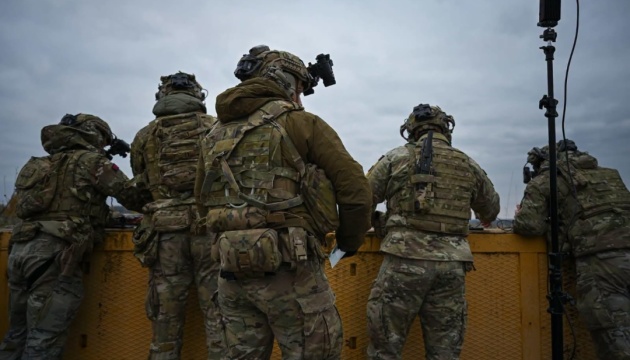
Ukrainian Troops Join International Drone Crucible Exercises: Sharing Combat Expertise with NATO
Ukrainian Armed Forces personnel participated in drills led by U.S. Special Operations Command Europe to test advanced UAVs and exchange battlefield experience.
 🩺Health
How Much Water to Drink Daily for Healthy Blood Pressure: Cardiologists Advise
Renowned cardiologists have shared the recommended daily water intake for men and women to help prevent dangerous fluctuations in blood pressure.
 💼Economy
Health benefits of chicory: why you should add this product to your diet
Nutritionists highlight the unique properties of chicory for supporting liver and gut health.