Microplastics in water: new study reveals hidden chemical danger
Scientists have discovered that microplastics in water do not just accumulate in the body, but trigger chemical reactions capable of damaging cells.
 🩺Health
Photo: TSN
Key points
- Microplastics in water generate reactive oxygen species
- Cell damage occurs due to chemical reactions on the plastic surface
- Heating plastic in a microwave increases the risk of particle release
The dangerous activity of plastic
Researchers from Columbia University and the University of California, Berkeley, have found that microplastics are significantly more dangerous than previously thought. It turns out that upon contact with ordinary water, reactive oxygen species form on the surface of plastic particles. These chemically active molecules are capable of damaging proteins and DNA structures.
Scientists tested six common types of plastic, including polyethylene and polypropylene. It turned out that these specific materials demonstrate the highest chemical activity. The process accelerates as plastic breaks down into smaller fragments, increasing the surface area available for chemical reactions to occur.
Impact on living organisms
Experiments with mouse red blood cells showed that interaction with microplastics leads to the destruction of cell membranes. Furthermore, plastic can act as a platform for protein accumulation, potentially disrupting natural biological processes.
Researchers emphasize that the source of such particles is not just litter, but also household items: from washing synthetic clothing to using plastic containers in microwaves. While this study is not definitive proof of direct harm to humans, it provides a new perspective on the global issue of environmental pollution.
Source TSN — tsn.ua/zdorovya/mikroplastyk-vyiavyvsia-nebezpechnishym-niz-vvazaly-shc… ↗
Read next
 🛡️Security
Frontline Update: Over 100 Clashes Recorded, High Intensity of Attacks in Pokrovsk Direction
A total of 131 combat clashes were recorded along the frontline over the past day, with Russian forces showing the highest activity in the Pokrovsk and Kostiantynivka dir…
 🛡️Security
Russian ship Sparta II continues to burn in Gulf of Finland after drone attack
Emergency crews in Finnish territorial waters are still battling a fire aboard the Russian cargo vessel Sparta II, previously hit by Ukrainian drones.
 🛡️Security
Search for 14 Missing People Underway in Dymer, Kyiv Region, Following Drone Attack
A nighttime Russian drone strike partially destroyed an apartment building in Dymer, Kyiv region, triggering a large-scale rescue operation as 14 residents remain unreach…
 💼Economy
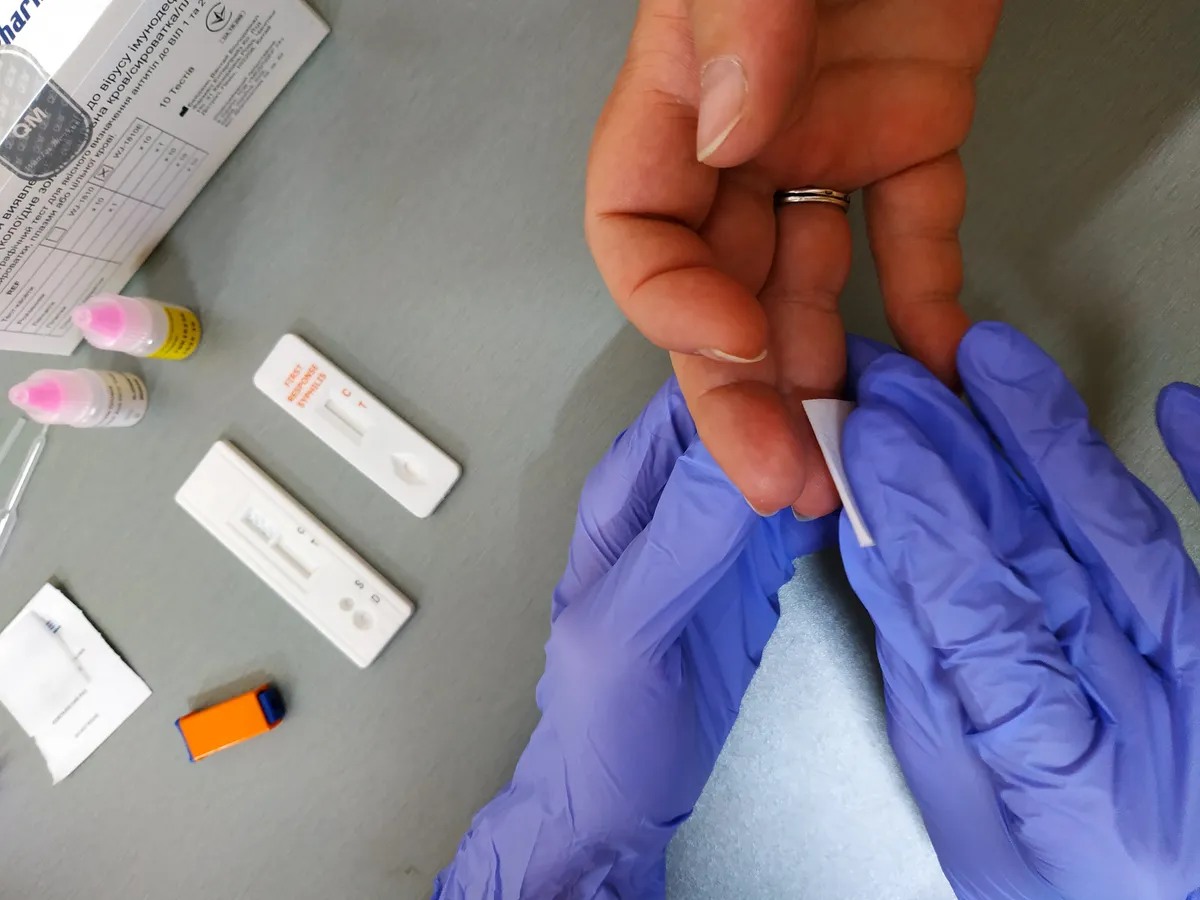
A mobile clinic in nearby Rivne offers free testing for HIV and hepatitis
Residents of the neighboring region can check their health anonymously at a special mobile unit as part of a European initiative.
 🏙️City
American Singer Miley Cyrus Marries for the Second Time
Renowned artist Miley Cyrus has secretly married musician Max Morando in Palm Springs.
 🏙️City
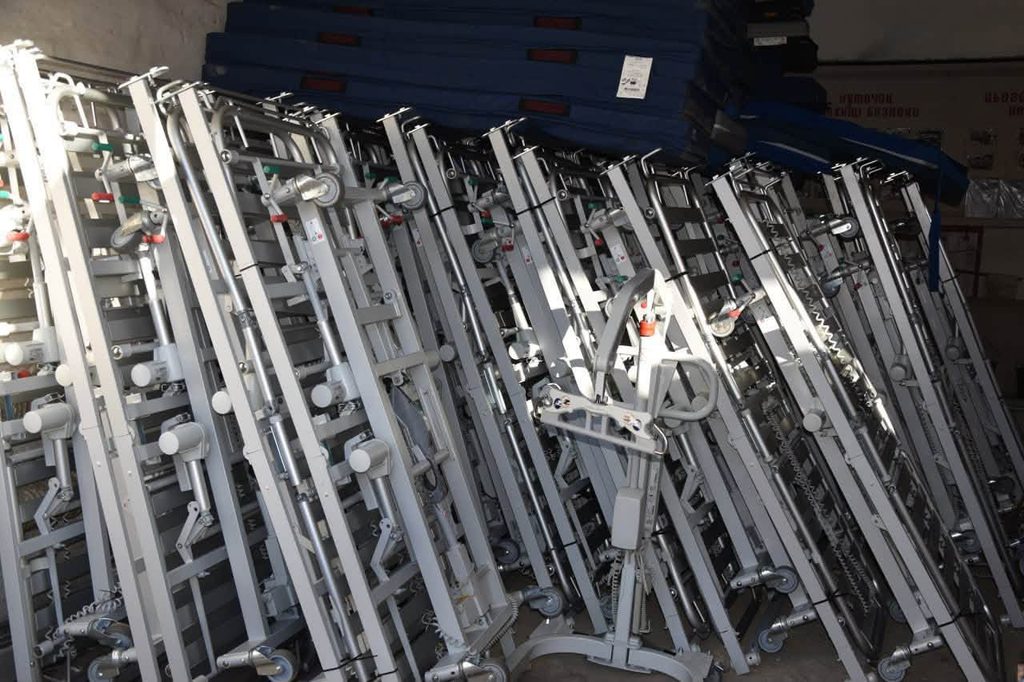
Swedish Benefactors Deliver 42 Hospital Beds and Specialized Equipment to Hoscha Hospital
The Hoscha Multiprofile Hospital has received a humanitarian shipment from Sweden, including specialized beds, mattresses, and patient care equipment.